Travel · Care guide · Luggage
How to Care for Your Aluminium Rimowa (and Whether to Cover It)
By Jake · 22 August 2026 · 8 min read
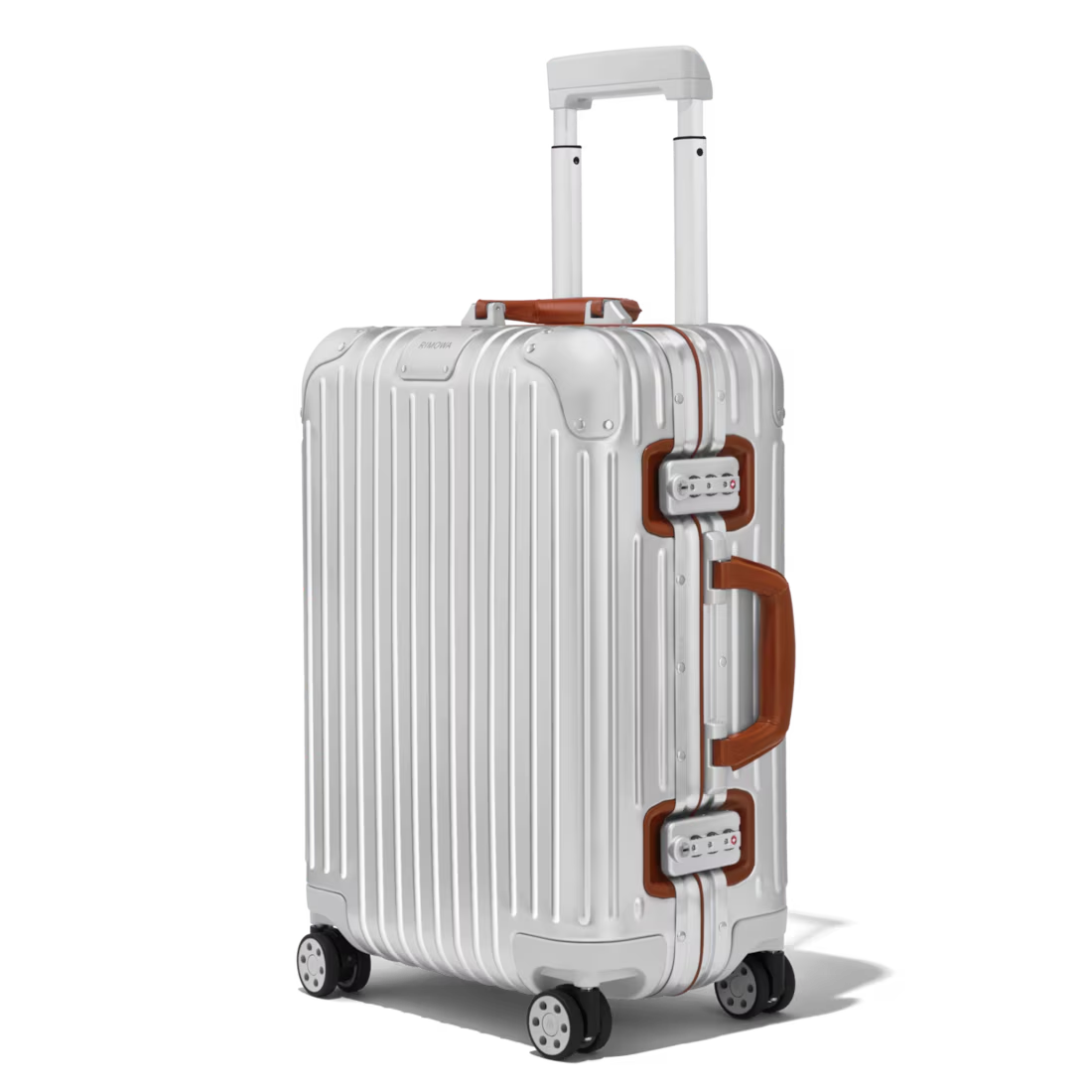
I have the aluminium Cabin Twist with the brown leather handles, and I'm a little in love with it. The multiwheel system is so smooth it practically wheels itself down the terminal - a light push and it just goes. It's the kind of object you buy once and expect to have forever, which is exactly the promise, and exactly why the first proper scuff makes you wince.
Because aluminium marks easily. Catch the coach to the airport, hand it over at the desk, and you can't help picturing what's happening in the hold - people flinging it, conveyor belts dragging it, other cases pressed against it. So here's everything I've learned about keeping an aluminium Rimowa looking good, getting the marks off when you want to, and the one question every owner eventually asks: do you cover it, or do you let it live?
First, the mindset: scuffs are (mostly) the point
Before the how-to, the reframe that makes owning one far less stressful: aluminium is meant to wear. It dents instead of cracking, it takes on scratches, and it slowly earns a patina that a plastic case never can. Rimowa built its whole identity around this - the marks are a travel diary, not damage. Once you accept that a used aluminium case is supposed to look used, you stop panicking about every scuff and start choosing which ones to remove. Some you'll want gone; others you'll come to like.
Removing scuffs and transfer marks
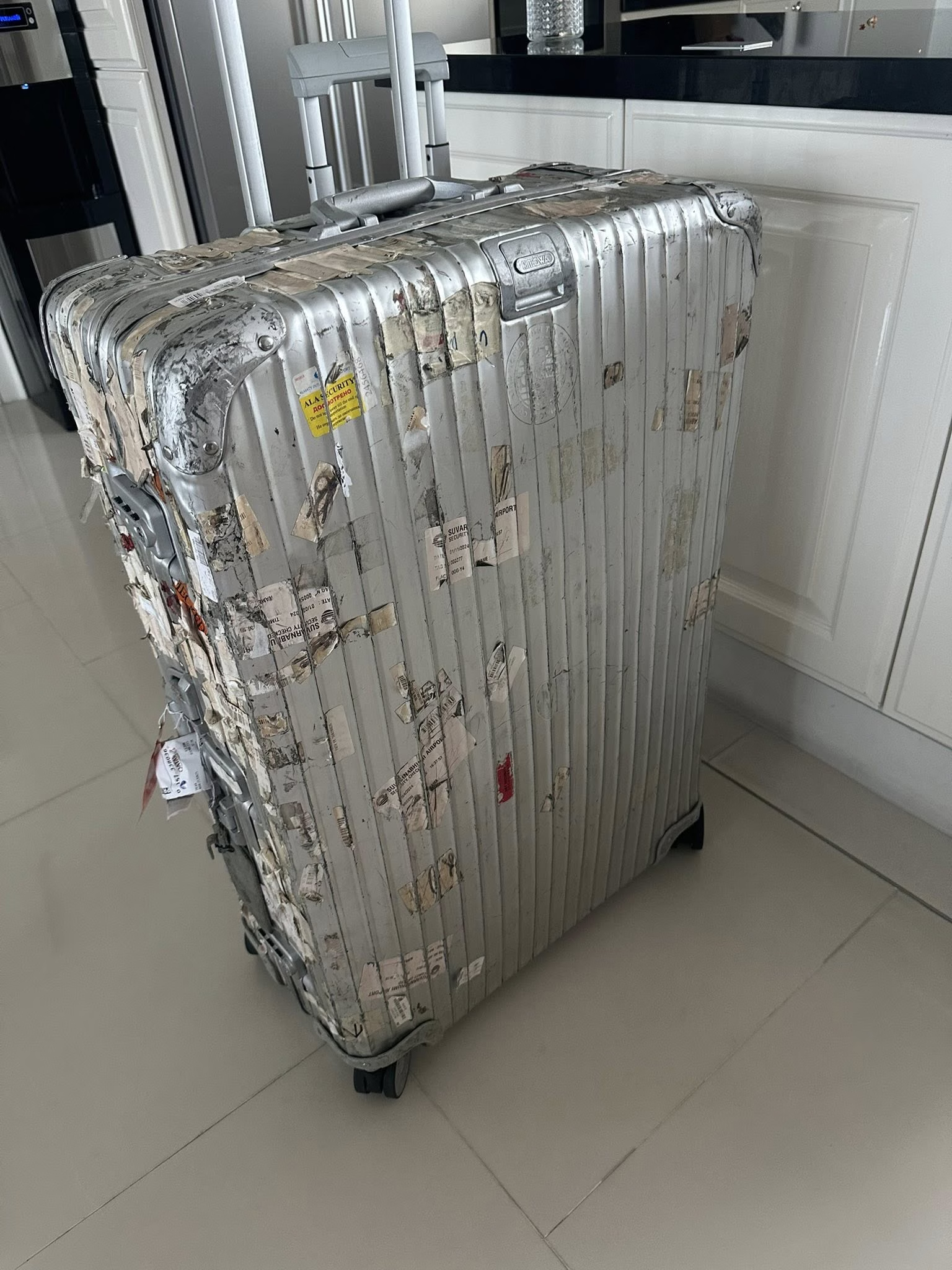
Here's the good news most new owners don't realise: a lot of what looks like damage on a silver Rimowa is transfer - black rubber, paint or scuff from belts and other bags sitting on the anodised surface, not carved into it. That stuff comes off. Work from gentlest to harshest and stop as soon as it's clean:
- Warm soapy water + a microfibre cloth. Your first move for general grime and light marks. Wipe, then dry properly so no moisture sits in the grooves.
- A melamine “magic eraser”, lightly. Brilliant on stubborn black rubber transfer. It's mildly abrasive, so use light pressure and let it do the work - don't scrub hard.
- Isopropyl alcohol for sticky adhesive or sticker residue. Dab, don't flood, and keep it off the printed logos.
- Metal polish (Autosol, Peek, Flitz) - last resort. Only for marks the above won't shift. Test in a hidden spot first: polishes are abrasive and can leave the treated patch looking slightly brighter or different from the anodised finish around it. Buff gently with a soft cloth.
What to avoid: harsh solvents like acetone, and abrasive scourers - both can damage the anodised layer and the printing. And accept that genuine scratches into the metal, and dents, generally don't buff out at home. That's patina now.
The plastic-cover question
This is the one I keep going back and forth on. A clear/transparent cover shields the case from exactly the hold abuse I fret about on the coach in - the transfer marks and scuffs that make up most of the damage. The protection genuinely works.
But it's borderline for me, and maybe for you. It adds bulk, it can trap grit or moisture against the aluminium, and honestly it just looks a bit odd - like keeping the sofa wrapped in plastic, hiding the very finish you bought it for. My compromise, if you want the best of both: use the cover on journeys where it goes in the hold and gets thrown around, and go bare when it's cabin-only and never leaves your side. Or - the purist option - skip it entirely and let the case tell its story. There's no wrong answer; it's a question of whether you're a keep-it-pristine person or a wear-it-proudly one.
Wheels, handle and the little things
The bits that actually stop a case working deserve more attention than the cosmetics:
- Keep the wheels clean. The multiwheel spinners pick up grit and hair, which is what eventually makes them notchy. A quick pick-out and wipe now and then keeps that self-wheeling glide.
- Wipe the telescopic handle so grit doesn't work into the mechanism, and never force it if it sticks. A tiny amount of dry lubricant (not oily - oil attracts grit) frees a sticky handle or wheel.
- Leather handles: wipe with a damp cloth, dry naturally, and treat occasionally with a leather balm. The brown leather in particular ages beautifully if you feed it now and then.
- Storage: keep it in the dust bag, don't stack heavy things on top, and resist covering it in stickers - the residue is a pain and can lift the print.
Lean on the guarantee for the things that matter
Register your case and Rimowa's guarantee covers the functional parts - wheels, handles, locks, the telescopic handle - for the life of the bag (terms vary by region). It does not cover scratches and dents, which is the right way round: the mechanics get looked after so the case keeps working for decades, and the cosmetics are yours to earn. If something structural goes wrong, a Rimowa service centre is the place, not a polish.
The case as a travel diary
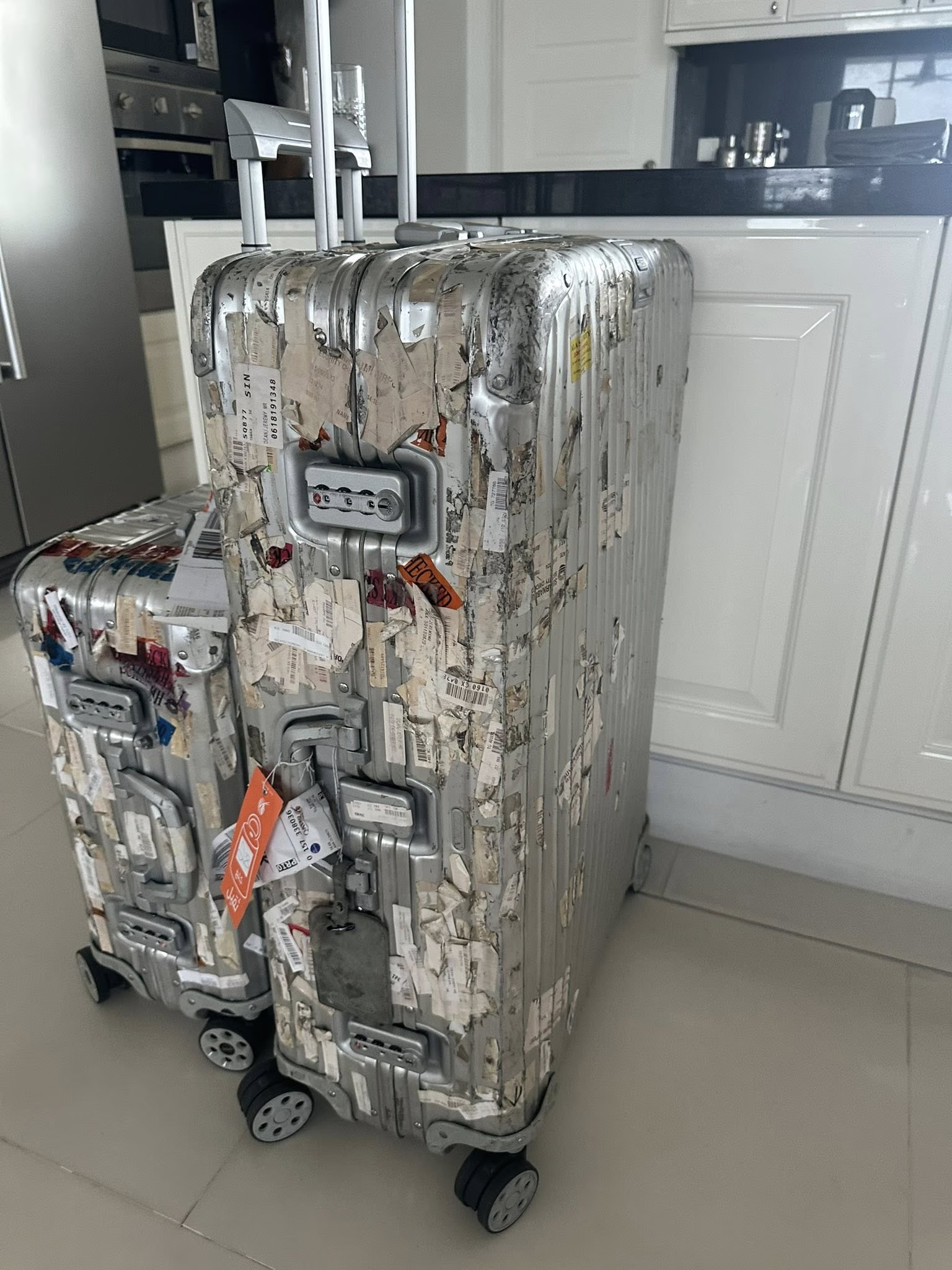
In the end, the marks are the mileage. Every scuff is a coach to an airport, a hold on a flight to somewhere, a belt in a city you'd never seen. That's the same reason I built FlyFrame - I like a quiet record of the flying life at home, the real aircraft crossing my sky on a calm e-ink display, while the Rimowa carries the marks of my own trips. Clean off the ones that bother you, keep the mechanics sweet, and let the rest become the story. If you're kitting out for the road, our travel gadgets worth packing and gifts for a frequent flyer are a good next read.
Frequently asked questions
- How do I remove scuff marks from an aluminium Rimowa?
- Most marks on a silver Rimowa are transfer marks - black rubber or paint from conveyor belts and other bags sitting on the surface, not gouges into it - so they often come off. Start gentle: a microfibre cloth with warm soapy water. For stubborn rubber transfer, a melamine 'magic eraser' used with light pressure. For sticky residue, a little isopropyl alcohol. Only for deeper marks reach for a metal polish (Autosol, Peek or Flitz), and test it in a hidden spot first - polishes are mildly abrasive and can leave the treated patch looking slightly different from the anodised finish around it.
- Should I put a plastic or clear cover on my Rimowa?
- It's a genuine trade-off. A transparent cover shields the case from the transfer marks and scuffs it picks up in the hold, which is where most of the damage happens. But it adds bulk, can trap grit or moisture against the surface, and hides the aluminium you paid for - some people find it looks a bit 'sofa-in-plastic'. A sensible middle path: use the cover on journeys where the case goes in the hold and gets thrown around, and go bare when it's cabin-only and under your control.
- Do scratches and dents ruin an aluminium Rimowa?
- No - and arguably they're the point. Aluminium dents and scratches rather than cracking, and Rimowa leans into it: the marks are a patina, a travel diary the case earns over the years. They don't affect how it works. If a dent ever bothers you or the case is damaged structurally, a Rimowa service centre can help, but most owners learn to love the scars.
- Does the Rimowa lifetime guarantee cover scratches?
- No. Rimowa's guarantee (register your case) covers the functional parts - wheels, telescopic handle, carry handles, locks - against manufacturing defects for the life of the case, with region-specific terms. It does not cover normal cosmetic wear like scratches and dents, or misuse. So functional problems get repaired; the patina is yours to keep.
- How do I look after the leather handles on a Rimowa?
- Wipe them with a slightly damp cloth, let them dry naturally, and treat them occasionally with a good leather balm or conditioner to stop them drying out - especially the brown leather, which develops a lovely patina of its own. Keep them out of prolonged wet, and don't use harsh solvents on leather.
Keep reading
The Best Duffle Bags: Durable, Stylish Weekenders (2026)
The best duffle and weekender bags for travel: durable, stylish, mostly leather - the LV Keepall, Rimowa Never Still, Filson, Ghurka, Bennett Winch and made-in-USA picks.
The Best Plane-Spotting Airports in the World
From Maho Beach to Myrtle Avenue, a spotter's tour of the best plane-spotting airports on earth - the famous approaches, the viewing terraces, and how to make the most of each.
The Travel Gadgets I Never Fly Without (150+ Flights a Year)
A frequent flyer's honest carry-on kit - the ten travel gadgets and accessories I never go to the airport without, from a power bank and a Bluetooth IFE adapter to the small stuff that actually helps you sleep.
Airport Pet Peeves: The Things That Really Raise the Pressure
A frequent flyer's (mostly) light-hearted list of airport pet peeves - the travelator standers, the sudden stoppers, the taxiing seatbelt-unbucklers - and a wink of self-awareness, because we've all been the villain in someone's airport story.