Careers · Kids & STEM
Aviation Careers Beyond the Cockpit: 12 Jobs for People Who Love Planes
By Jake · 28 October 2026 · 8 min read
Plenty of children who love planes grow up to fly them. Many more end up in the thousands of other jobs that keep aircraft in the air, and love it just as much. If your plane-mad kid (or you) isn't sure about the cockpit, here is what else is out there, with a rough idea of how people get in. Entry routes vary by country and employer, so treat this as a starting point.
In the tower and the control room
1. Air traffic controller
Controllers keep aircraft safely separated on the ground, around airports and en route across the sky. It is demanding, well respected and needs exceptional concentration. Air navigation service providers recruit trainees through aptitude tests and train them for the licence. A degree is not always required; strong maths, spatial awareness and calm under pressure are.
2. Flight dispatcher
Dispatchers plan each flight: route, fuel, weather, weight and alternates, and keep watch while it flies. A great fit for people who like puzzles and planning.
3. Aviation meteorologist
Pilots and controllers live by the forecast. Aviation meteorologists produce the warnings and forecasts for airports and routes. Usually a degree in meteorology, physics or maths.
Hands on the aircraft
4. Aircraft maintenance engineer
Licensed engineers inspect, repair and certify aircraft as safe to fly. Routes in include apprenticeships with airlines and maintenance companies, or approved training courses leading to a maintenance licence. Ireland has a big aircraft maintenance and leasing industry, so there are real local opportunities.
5. Aerospace engineer
The people who design aircraft, engines, systems and spacecraft. Usually an engineering degree (aeronautical, mechanical or electronic). Strong maths and physics at school are a must.
6. Avionics and software
Modern aircraft and air traffic systems run on software and electronics. Developers and electronics engineers work on everything from cockpit displays to flight-planning tools and the tracking data that shows planes on a map.
On board and on the ground
7. Cabin crew
Cabin crew are trained first and foremost for safety, and they see the world while doing it. Airlines train new joiners after selection. Languages and customer service experience help.
8. Airport operations
Running an airport is a huge operation: airside safety, stand planning, terminal operations, security, fire and rescue. Lots of roles, lots of ways in.
9. Ground handling and ramp
Loading, fuelling, towing and turning aircraft around between flights. Fast-paced, outdoors and right next to the aircraft, a great first job for anyone who wants to be close to planes.
Specialist paths
10. Air accident investigator
Investigators work out why accidents and serious incidents happen so they don't happen again. Usually experienced pilots or engineers who move into investigation later in their careers.
11. Drone pilot
Drones are used for surveying, inspection, filming and more, with their own training and registration rules. An accessible way to start flying professionally.
12. Airline planning and revenue
Which routes should an airline fly, how often, with which aircraft and at what price? Network planners and analysts decide. A brilliant fit for people who love maps, data and route spotting.
How to explore these with a child
- Watch the whole operation. At an airport viewing area, point out the fuel truck, the tug, the catering lorry and the tower, not just the aircraft.
- Ask real people. Airport open days, aviation careers fairs and work experience (Transition Year in Ireland is ideal) put kids in front of people doing these jobs.
- Follow the route. Every plane over your house has a dispatcher, controllers, engineers and crew behind it. Talking through who made that flight happen is an easy way in.
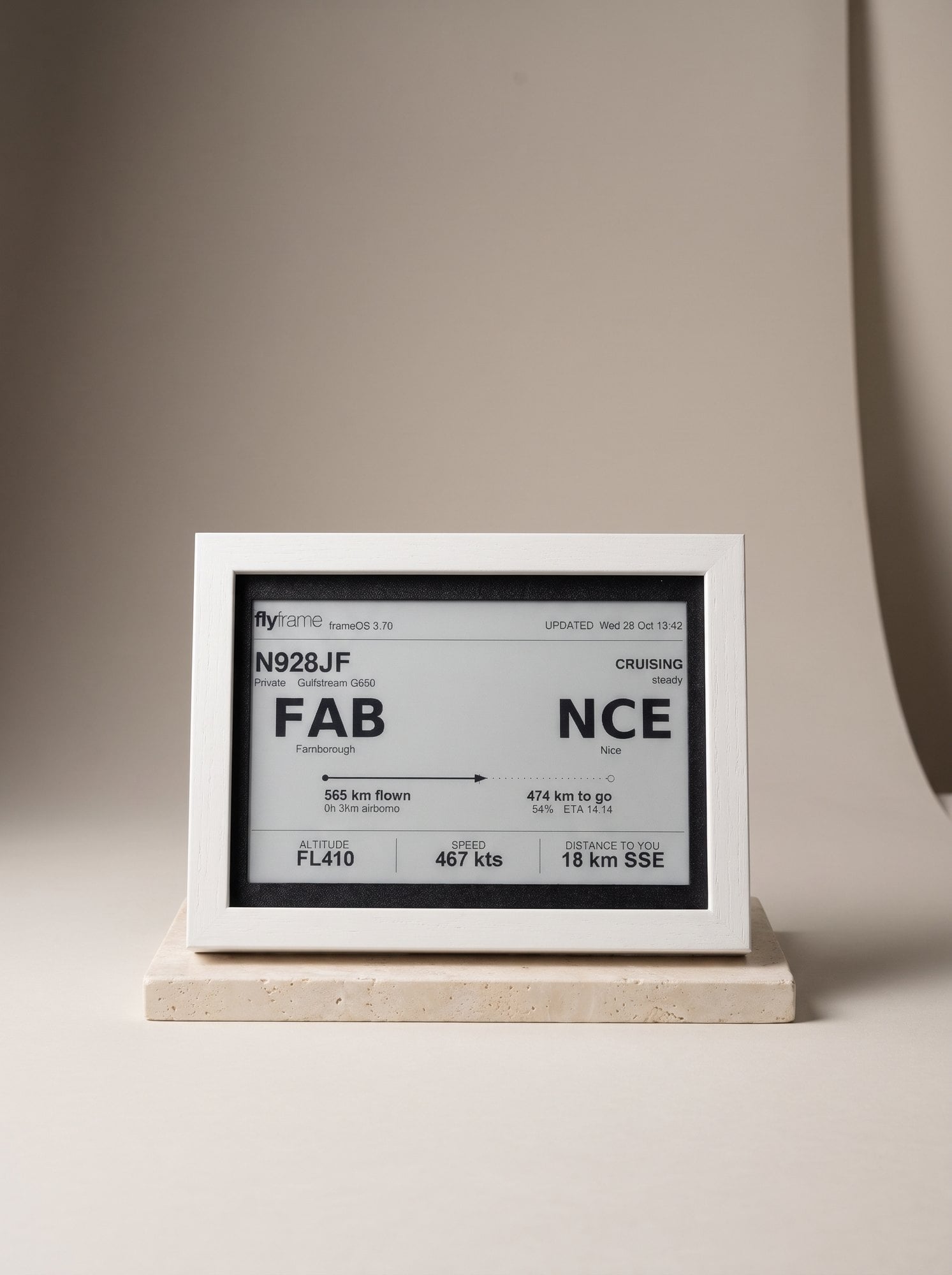
If the cockpit is still the dream, read our step-by-step guide to becoming a pilot. For younger children, start with how to get your child interested in planes. And if you want the planes over your home on the wall, with where each one is going, that is exactly what FlyFrame does.
Frequently asked questions
- What aviation jobs are there besides pilot?
- Air traffic controller, aircraft maintenance engineer, aerospace engineer, flight dispatcher, aviation meteorologist, cabin crew, airport operations, ground handling, air accident investigator, drone pilot, aviation software developer and airline planning are some of the main ones.
- Which aviation careers need a degree?
- Aerospace engineering, aviation meteorology and many airline planning and data roles usually need a degree. Aircraft maintenance engineering is often learned through apprenticeships or licensed training courses. Air traffic control, cabin crew and many airport roles train you on the job after selection.
- What school subjects are best for an aviation career?
- Maths and physics open the most doors, especially for engineering, air traffic control and meteorology. English matters across the industry. Computer science is increasingly useful, and languages help in customer-facing roles.
Keep reading
How to Become a Pilot: A Step-by-Step Guide from School to Cockpit
Want to fly for an airline? The real path, age by age: school subjects, the medical, training routes, costs and what teens can do now. Written for Ireland, the UK and Europe.
How to Get Your Child Interested in Planes and Flying
Simple, screen-light ways to turn the planes over your house into a love of flying, geography and science, for toddlers to teens (and curious grown-ups).
10 Plane Spotting Games for Kids (No Airport Needed)
Easy plane games for the garden, the window or the school run: guess the destination, plane bingo, sky passports and more. Free, screen-light and sneakily educational.
Is It Too Late to Learn to Fly? Learning to Fly as an Adult
Never too late: how adults learn to fly for fun or switch career, from a trial lesson to a private licence, the medical, the time it takes and how to start.