Plane spotting · How it works · Beginners
Plane Spotting for Beginners: How to Start Watching the Skies
By Jake · 4 August 2026 · 8 min read
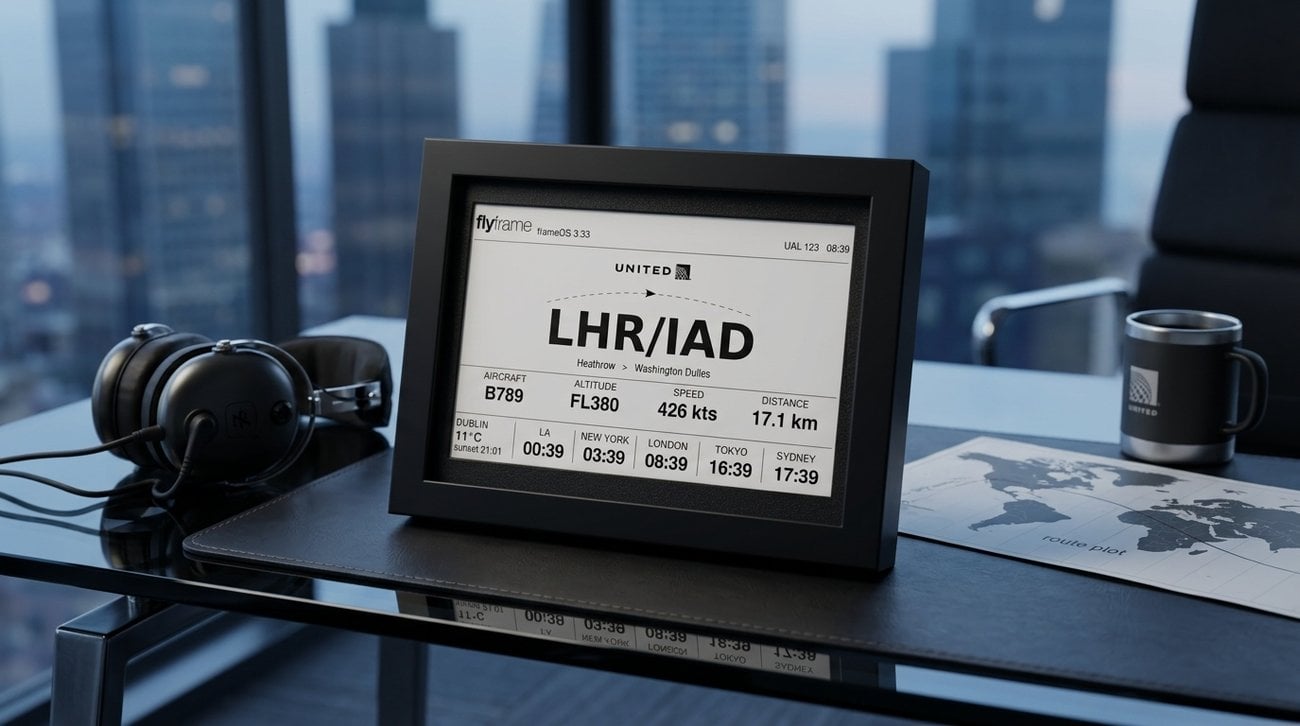
Plane spotting used to mean standing at the end of a runway with a notebook. It still can - but today anyone can start from their own window, because the same data that guides air traffic is public and live. If you've ever looked up and wondered what is that, and where's it going?, this guide will get you from curious to confident.
How aircraft are tracked (the bit that makes it easy)
Nearly every airliner continuously broadcasts its position, altitude, speed and identity over a system called ADS-B. It's unencrypted and anyone with a cheap receiver - or just an app that aggregates it - can pick it up. That's why you can open a flight-tracking map and see thousands of aircraft in the air right now. As a spotter, ADS-B is your superpower: it turns a distant speck into a named flight in seconds.
What you're actually looking at
A few basics let you read the sky like a local:
- Callsign & flight number. How the flight identifies itself - often the airline plus a number (e.g. a Ryanair or British Airways flight). The airline code is the first clue to who's overhead.
- Aircraft type. The model - a Boeing 737, an Airbus A320, an ATR 72. With a little practice you'll start recognising shapes and engine notes, but the data names it for you while you learn.
- Registration. The unique “tail number” of that specific airframe - the detail dedicated spotters collect, like plane-shaped stamps.
- Altitude & route. How high it is and where it's going. A plane low and descending is on approach; one at 38,000 ft is passing through.
The gear - start with nothing, add as you go
- A phone. A flight-tracking app is all you need to begin.
- Binoculars. Bring distant aircraft and their liveries into view.
- A camera with a zoom lens. For the spotters who like to photograph and catalogue.
- An ADS-B receiver. A low-cost kit lets you pull the data yourself and feed the networks.
- A flight tracker for home. So you always know what's overhead without reaching for a phone - more on that below.
Spotting from home vs at the airport
At the airport: you get close-ups, liveries and the drama of departures - just stay in permitted public areas, be friendly if security asks, and check local rules, which vary by country.
From home: you'd be surprised how much flies over an ordinary house - airliners on the airway, the occasional heavy, and if you're near an approach path, a steady parade of arrivals. This is where an ambient display shines. A flight tracker on e-ink like FlyFrame sits on your wall and shows the aircraft passing over your exact location in real time - airline, flight number, type, origin, destination and altitude - so you're spotting all day without a phone in your hand. It's the difference between checking an app when you remember and simply knowing what's up there.
A simple first session
- Pick a clear spot with open sky - a window, garden or balcony.
- Open a tracker (app or display) and watch what's overhead.
- Note the airline and type of the next three aircraft you see. That's it - you're spotting.
- Start noticing patterns: the same routes at the same times, the rare visitor that breaks them.
The best part of plane spotting is that it rewards attention rather than money - the sky is free, and it's different every day. If you want it always-on at home, see what an e-ink flight tracker is, or looking for a gift for a spotter in your life? Our gift guide for aviation enthusiasts is a good place to start.
Frequently asked questions
- What is plane spotting?
- Plane spotting is the hobby of watching, identifying and logging aircraft - noting the type, airline, registration and often the flight it's operating. Some spotters do it at airports with a camera; many now do it from home using live flight-tracking data to see what's passing overhead.
- How do you know what plane is flying overhead?
- Aircraft broadcast their position and identity over ADS-B, which anyone can receive. A flight-tracking app or a dedicated display like FlyFrame reads that data and shows you the airline, flight number, aircraft type, origin, destination and altitude of the plane above you in real time.
- What equipment do you need to start plane spotting?
- Almost none to begin. A phone with a flight-tracking app is enough. From there, common additions are binoculars, a camera with a zoom lens, an ADS-B receiver to pull data yourself, and an at-home flight tracker so you always know what's overhead without reaching for your phone.
- Is plane spotting legal?
- In most countries, watching and photographing aircraft from public places is perfectly legal - but rules vary, and airport security may ask questions, so be polite, stay in permitted areas, and check local guidance. Watching from your own home using public flight data is entirely fine.
Keep reading
How to Tell What Plane Is Flying Over Your House
Wondering what that aircraft overhead is? Here are the three ways to identify any plane flying over your house - a tracking app, an always-on display, or your own eyes - and what the details mean.
Contrails, Explained: What Those White Lines in the Sky Really Are
What are contrails, why do some linger while others vanish, and are 'chemtrails' real? A clear, friendly explainer - plus why a contrail overhead is your cue to check which plane just passed and where it's headed.
The Best Plane-Spotting Airports in the World
From Maho Beach to Myrtle Avenue, a spotter's tour of the best plane-spotting airports on earth - the famous approaches, the viewing terraces, and how to make the most of each.
How to Actually Sleep on a Plane
A frequent flyer's practical guide to sleeping on a plane - the right seat, the small kit that works (eye mask, pillow, earplugs), the taping-and-hydration tricks, and how to land less wrecked.